Shellfish Allergy

Fish Allergy
15/12/2021
Food Allergy Labelling
13/01/2022Shellfish Allergy
at
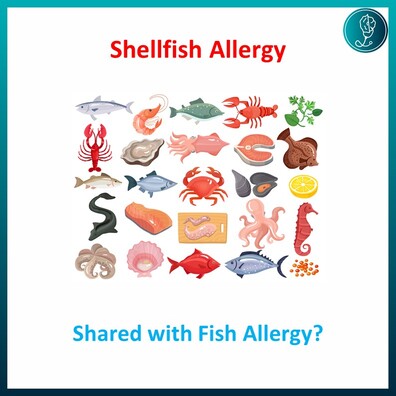
Often 𝐬𝐞𝐚𝐟𝐨𝐨𝐝 is what is named to anything coming from the sea.
But this name seems to be mixed or interchanged with 𝐬𝐡𝐞𝐥𝐥𝐟𝐢𝐬𝐡.
Let’s clarify this.
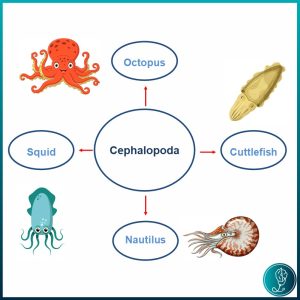
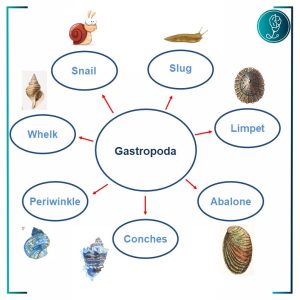
𝐒𝐡𝐞𝐥𝐥𝐟𝐢𝐬𝐡 is made of 𝘴𝘦𝘢 𝘮𝘰𝘭𝘭𝘶𝘴𝘤𝘴 and 𝘤𝘳𝘶𝘴𝘵𝘢𝘤𝘦𝘢𝘯𝘴
Both groups are very different.
- 𝐂𝐫𝐮𝐬𝐭𝐚𝐜𝐞𝐚𝐧𝐬 are from 𝘗𝘩𝘺𝘭𝘶𝘮 𝘈𝘳𝘵𝘩𝘳𝘰𝘱𝘰𝘥𝘢
- All others are from 𝘗𝘩𝘺𝘭𝘶𝘮 𝘔𝘰𝘭𝘭𝘶𝘴𝘤𝘢
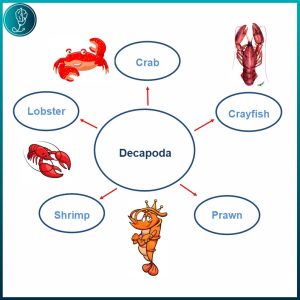
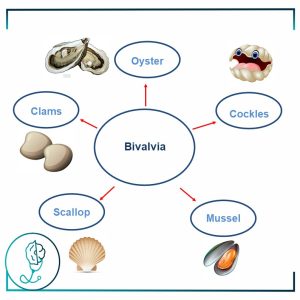
The most important allergen is a protein called 𝐭𝐫𝐨𝐩𝐨𝐦𝐲𝐨𝐬𝐢𝐧, and it can be found in the muscle of any of those species.
This is the main reason for cross-reactivity between them.
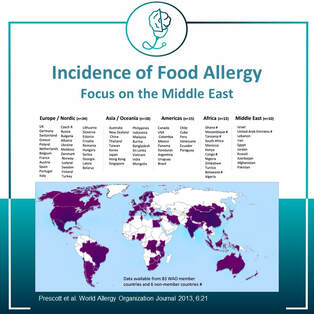
The incidence of 𝐒𝐡𝐞𝐥𝐥𝐟𝐢𝐬𝐡 allergy depends on diet habits:
- 𝘈𝘴𝘪𝘢𝘯 𝘤𝘰𝘶𝘯𝘵𝘳𝘪𝘦𝘴 have the highest
- In 𝘗𝘰𝘳𝘵𝘶𝘨𝘢𝘭, it represents 35% of food allergy
- In 𝘚𝘱𝘢𝘪𝘯 is on the rise
- It is roughly 5 times higher in adults
Cross-reactivity:
- 𝐕𝐞𝐫𝐲 𝐬𝐦𝐚𝐥𝐥 𝐛𝐞𝐭𝐰𝐞𝐞𝐧 𝐟𝐢𝐬𝐡 𝐚𝐧𝐝 𝐬𝐡𝐞𝐥𝐥𝐟𝐢𝐬𝐡
- 𝐌𝐨𝐫𝐞 𝐥𝐢𝐤𝐞𝐥𝐲 𝐭𝐨 𝐛𝐞 𝐟𝐨𝐮𝐧𝐝 𝐰𝐢𝐭𝐡𝐢𝐧 𝐭𝐡𝐞 𝐬𝐚𝐦𝐞 𝐠𝐫𝐨𝐮𝐩𝐬
- Often found between 𝘤𝘳𝘶𝘴𝘵𝘢𝘤𝘦𝘢𝘯 and 𝘮𝘰𝘭𝘭𝘶𝘴𝘤𝘴
- Common between 𝘤𝘳𝘶𝘴𝘵𝘢𝘤𝘦𝘢𝘯𝘴 and 𝘩𝘰𝘶𝘴𝘦 𝘥𝘶𝘴𝘵 𝘮𝘪𝘵𝘦𝘴, 𝘤𝘰𝘤𝘬𝘳𝘰𝘢𝘤𝘩𝘦𝘴, and 𝘱𝘢𝘳𝘢𝘴𝘪𝘵𝘦𝘴
- Possible between 𝘴𝘯𝘢𝘪𝘭𝘴 and 𝘩𝘰𝘶𝘴𝘦 𝘥𝘶𝘴𝘵 𝘮𝘪𝘵𝘦𝘴
Important notes:
- 𝐒𝐡𝐞𝐥𝐥𝐟𝐢𝐬𝐡 can cause 𝘧𝘰𝘰𝘥-𝘥𝘦𝘱𝘦𝘯𝘥𝘦𝘯𝘵 𝘦𝘹𝘦𝘳𝘤𝘪𝘴𝘦-𝘪𝘯𝘥𝘶𝘤𝘦𝘥 𝘢𝘯𝘢𝘱𝘩𝘺𝘭𝘢𝘹𝘪𝘴
- 𝐒𝐡𝐞𝐥𝐥𝐟𝐢𝐬𝐡 can lead to 𝘰𝘳𝘢𝘭 𝘢𝘭𝘭𝘦𝘳𝘨𝘺 𝘴𝘺𝘯𝘥𝘳𝘰𝘮𝘦 (𝐎𝐀𝐒)
- 𝘍𝘪𝘴𝘩𝘦𝘳𝘮𝘦𝘯, 𝘳𝘦𝘴𝘵𝘢𝘶𝘳𝘢𝘯𝘵 𝘸𝘰𝘳𝘬𝘦𝘳𝘴 and 𝘧𝘢𝘤𝘵𝘰𝘳𝘺 𝘸𝘰𝘳𝘬𝘦𝘳𝘴 can develop 𝘰𝘤𝘤𝘶𝘱𝘢𝘵𝘪𝘰𝘯𝘢𝘭 𝘥𝘦𝘳𝘮𝘢𝘵𝘪𝘵𝘪𝘴, 𝘳𝘩𝘪𝘯𝘪𝘵𝘪𝘴 and 𝘤𝘰𝘯𝘫𝘶𝘯𝘤𝘵𝘪𝘷𝘪𝘵𝘪𝘴 induced by 𝐜𝐫𝐮𝐬𝐭𝐚𝐜𝐞𝐚𝐧𝐬
- 𝘖𝘤𝘤𝘶𝘱𝘢𝘵𝘪𝘰𝘯𝘢𝘭 𝘢𝘴𝘵𝘩𝘮𝘢 can happen to workers in 𝐬𝐡𝐞𝐥𝐥𝐟𝐢𝐬𝐡 𝐟𝐚𝐜𝐭𝐨𝐫𝐢𝐞𝐬
As with fish, if you have reacted, but the tests are negative, think of 𝐀𝐧𝐢𝐬𝐚𝐤𝐢𝐬 allergy.
Remember, if you have reacted to 𝐜𝐫𝐮𝐬𝐭𝐚𝐜𝐞𝐚𝐧𝐬, you need to be tested for 𝐡𝐨𝐮𝐬𝐞 𝐝𝐮𝐬𝐭 𝐦𝐢𝐭𝐞𝐬!